12 July 2026 · 10 min read
Hotel Brand Identity: The Complete Guide to Building One That Lasts
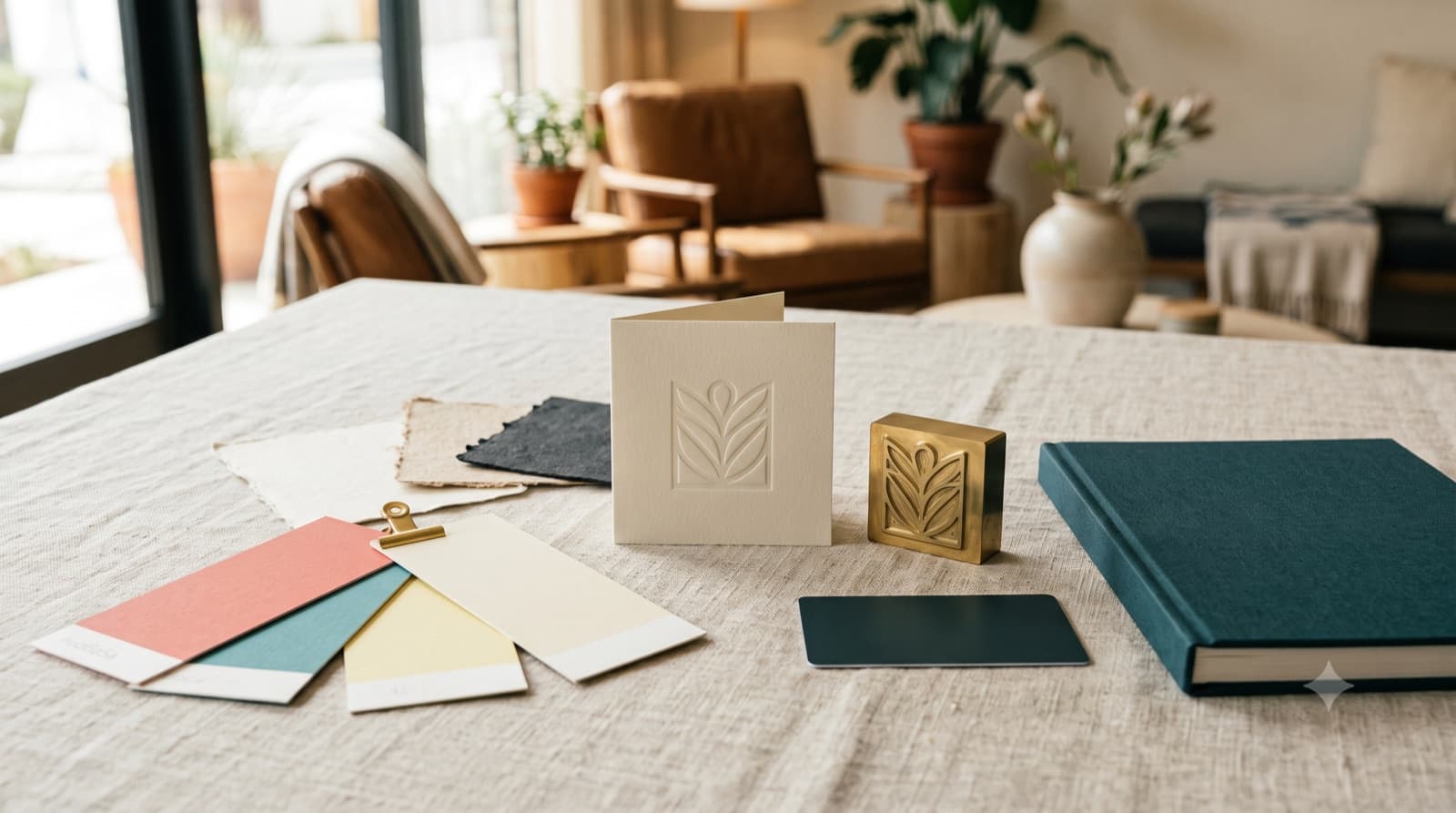
Most hotel owners come to me asking for a nicer logo. Almost none of them actually need one — at least, not first.
The short version: a hotel brand identity is not a logo. It's a system — story, visuals, voice and rules — that lets fifty different people produce materials that still feel like one hotel. The logo is the most visible piece of that system, but it's the system that decides whether your brand holds together or quietly falls apart across menus, signage, social posts and booking pages.
This guide covers what a hotel brand identity should include, how to build one step by step, what belongs in your brand guidelines, and what I'd tell any owner before they hire a designer — based on years of doing this work inside the hospitality industry, across multi-brand hotel groups and independent properties.
What should a hotel brand identity include?
A complete hotel brand identity includes five things:
- A story and positioning — what the hotel stands for, and why
- A visual identity — logo system, colour palette, typography and imagery style
- A verbal identity — the voice and language the brand uses with guests
- Applications — the identity applied to every real touchpoint, from key cards to Instagram
- Guidelines — the document that keeps all of the above consistent when you're not in the room
Miss any one of these and the identity starts to drift. Most hotels I audit are missing at least two — usually the story and the guidelines, which is why the visuals feel arbitrary and the execution feels inconsistent.
Let's take the pillars one at a time.
Pillar 1: Story and positioning
When I start a hotel's identity — or inherit one — I don't look at the logo first. If a brand book already exists, I go through it before I design anything; even an outdated one tells me what someone once decided the hotel stood for. Then I go further back: why does the hotel have this name? What was the founding idea?
A property named after a grandmother, a street or a local legend carries a story that should be visible somewhere in the mark — and very often isn't. That gap between the history and what's on the sign is usually the real reason a brand feels "off", long before anyone can articulate why.
This is the thing owners consistently overlook. They come asking for a "nicer" logo, when the actual problem is that the current one was never built from anything — it was chosen from a mood board of "elegant hotel logos". Individuality isn't an extra flourish on top of good branding. It's the whole point of it.
Pillar 2: Visual identity — and where hotel logo design goes wrong
The visual identity is the logo system, colour palette, typography and photography direction. It's also where the most predictable mistakes happen.
Lions, crowns, laurel wreaths and a generic serif wordmark: the default costume of hotel branding, and it could belong to any of fifty other properties. These cues get chosen because they signal "luxury" in the abstract — not because they have anything to do with the actual hotel.
Worse, borrowed luxury cues create a promise. A logo can carry every luxury signal in the book, but if it sits above an average three-star property with average service, that gap between promise and delivery becomes a liability, not an asset. Guests notice within an hour of check-in, and the reviews will say so directly.
What a strong hotel logo actually needs:
- A connection to the story. If the name has an origin, the mark should carry some trace of it.
- A system, not a single file. Primary mark, a simplified version for small sizes, and a favicon/monogram — hotels put logos on everything from building signage to a 16-pixel browser tab.
- Colours specified for both print and screen. A palette that only exists as hex codes will drift the first time it hits a printing press.
- Typography with a hierarchy — a display face for headlines and a workhorse for body text, with clear rules for which goes where.
Luxury vs boutique: what actually differs
This is where I push back most often with clients. The real difference between luxury and boutique identity isn't ornament — it's restraint versus character.
True luxury identity tends to be quiet: refined typography, generous space, minimal decoration, because the brand doesn't need to announce itself. Boutique identity has more freedom to have a personality, a story, even a bit of eccentricity, because it's competing on character rather than scale. Neither one is "more design" than the other. The mistake is borrowing luxury signalling for a boutique budget instead of building something honest and specific to what the property can actually deliver.
(I've written more about this in what makes great boutique hotel branding.)
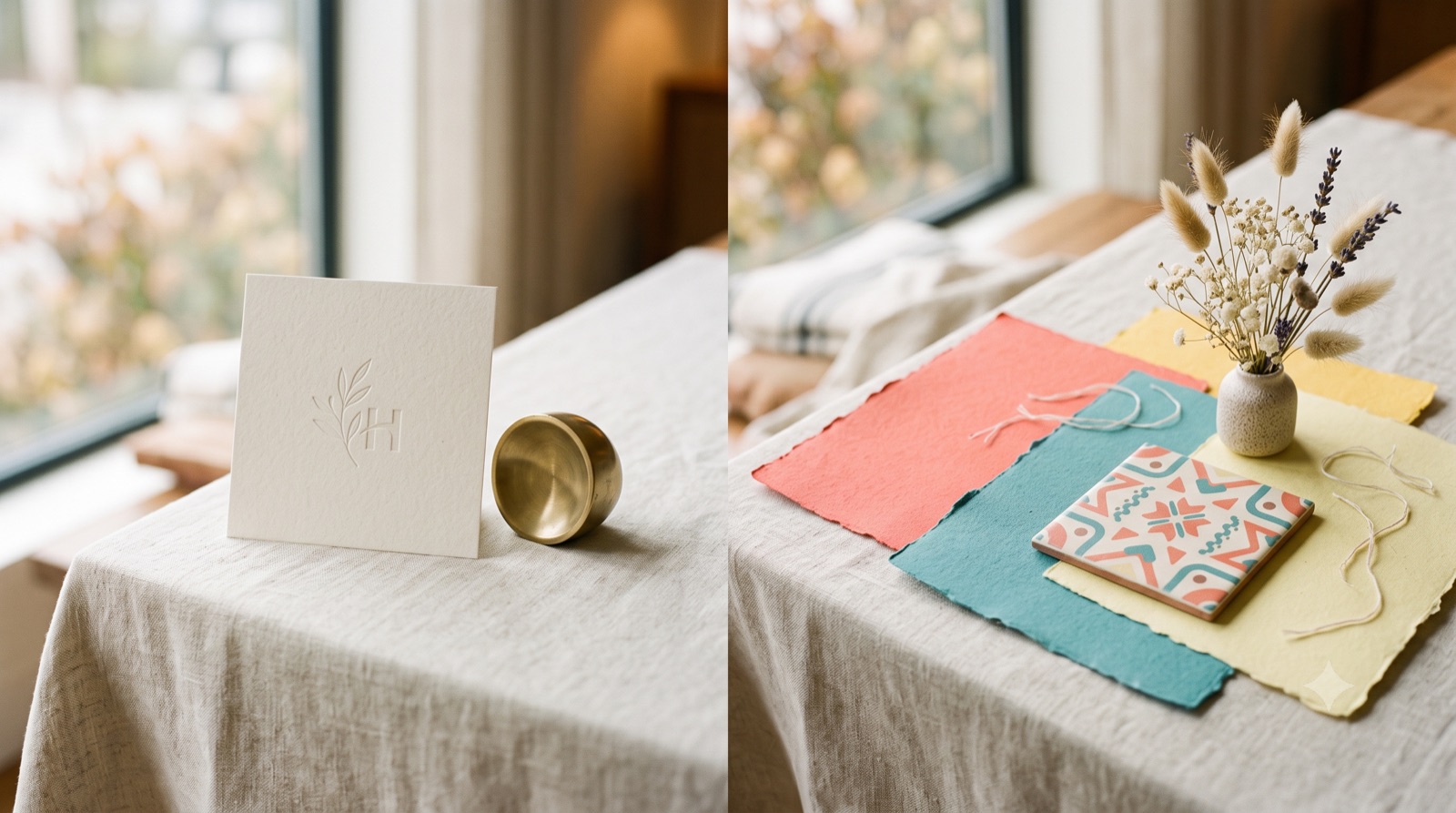
Pillar 3: Verbal identity
How the hotel sounds is part of the identity: the words on the website, the tone of confirmation emails, the way a menu describes a dish. A brand that looks refined but writes in stiff, copied-from-a-template English breaks the illusion instantly.
For hotels with international guests, this pillar includes language itself. If a meaningful share of your guests book in Russian, Turkish or German, the identity has to survive translation — both linguistically and culturally. A tagline that's elegant in English can be flat or unintentionally comic in another language, and typography choices need to accommodate other alphabets from day one, not as an afterthought. It's a discipline of its own — here's why translation alone isn't enough for multilingual hotel branding.
Pillar 4: Applications — where the identity actually lives
An identity only exists in its applications. For a hotel, the honest list is long: signage, menus, key cards, in-room compendiums, spa and restaurant collateral, staff materials — and, just as importantly, the digital layer: social media templates, Google Ads creative, email headers, booking confirmations.
Good branding doesn't grow itself once the logo is delivered. Someone has to plan how the identity shows up across every one of those channels from day one, or it fragments within a year — usually starting with social media, where whoever has the login improvises their own version of the brand.
Pillar 5: Brand guidelines — the document that holds it all together
A guidelines document isn't a design showcase. It's a tool other people use without you in the room — marketing staff building a social post, a print shop producing a menu, a new hire who has never met the designer.
So it has to answer practical questions, fast. A hotel's brand guidelines should contain:
- Exact colour values for print and screen — CMYK, RGB, hex, and Pantone if the property uses spot printing
- A clear logo system — all versions, minimum sizes, clear-space rules
- Typography hierarchy — which font goes where, with sizes and weights
- Photography and illustration direction — so imagery doesn't drift over time
- Real application examples — the brand applied to the touchpoints people will actually build: a social template, a menu, a signage panel, an email footer
- A "what not to do" page — showing the mistakes explicitly is often what stops them from happening
- An owner — someone responsible for keeping the document current. Guidelines nobody maintains are out of date within a year.
The application examples are what most guidelines miss. A palette and a logo on their own don't tell a non-designer how to use them correctly.
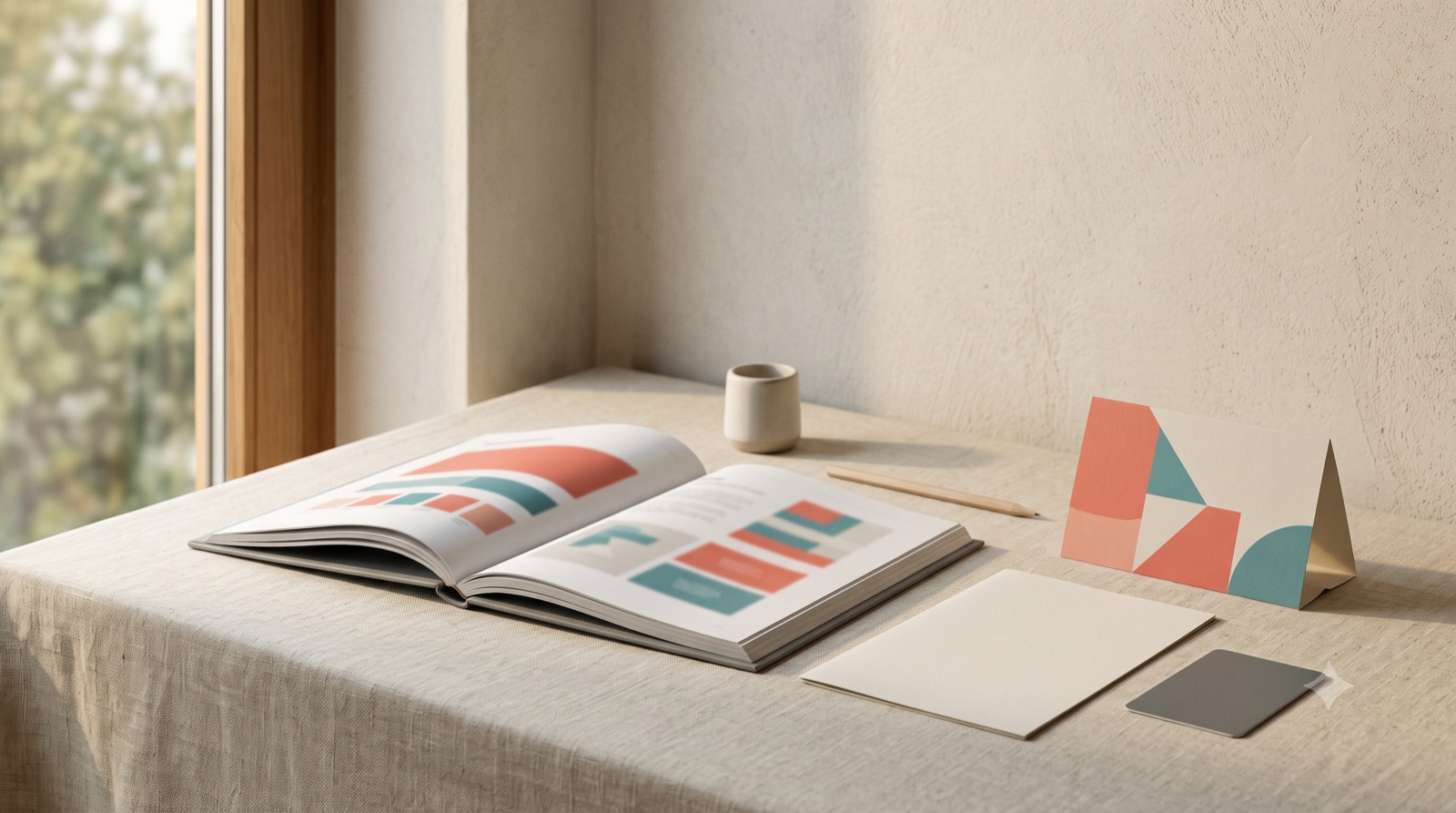
How to create a hotel brand identity, step by step
- Audit what exists. The current logo, any old brand book, the website, the reviews. Even a bad identity contains decisions worth understanding.
- Recover the story. The name, the founding idea, the location, the thing guests mention unprompted. This is the raw material.
- Position honestly. Luxury restraint or boutique character — chosen to match what the property actually delivers, not what it aspires to signal.
- Design the system. Logo system, palette, typography, imagery direction — built from the story, not from a mood board of other hotels.
- Apply it to real touchpoints. Print, on-property, and the full e-marketing layer, planned from day one.
- Document it. Guidelines with everything in the list above, including the "what not to do" page.
- Assign ownership. One person accountable for consistency and for keeping the guidelines alive.
When the identity changes completely
Sometimes the answer isn't a refresh but a full rebuild — new name, new logo, new colour system, nothing carried over visually. I've worked on exactly that for a hotel group, and it taught me something that never appears in branding guides:
When the mark changes completely, continuity has to be communicated in words. When partners and travel agencies asked what had actually changed, the answer that reassured them wasn't the new palette — it was that ownership, management and service standards stayed exactly the same, simply reorganised around a better concept. That single message, repeated consistently across every conversation, held trust together through the transition better than any visual element could.
Identity isn't only what's printed. It's also the story a company chooses to tell about its own change. (If you're weighing a change of this scale, start with when a hotel rebrand is actually worth it.)
Before you hire anyone
Whether you're considering an agency, a freelancer or doing it in-house, three things before a single design conversation happens:
First, know your own taste. What inspires you, which colours and styles you're drawn to, which places — hotels or otherwise — you admire. The brand shouldn't be built around your personal taste, but your instincts carry real information about the property, and skipping this step is how owners end up rejecting concepts they never actually wanted in the first place.
Second, calculate the full budget — and map everywhere the identity needs to live. Printed collateral, signage, in-room materials, and the e-marketing layer: social templates, ad creative, email. The logo is a fraction of the real scope.
Third, decide early whether you need a new name or just a refreshed look. That's a business question, not a design one, and it should be answered before you brief anyone — it changes the scope, cost and timeline of everything that follows.
Frequently asked questions
What is a hotel brand identity? The complete system a hotel uses to present itself: story and positioning, visual identity (logo, colours, typography, imagery), verbal identity, applications across every guest touchpoint, and the guidelines that keep it consistent.
What should hotel brand guidelines include? Colour values for print and screen, the full logo system with usage rules, typography hierarchy, photography direction, real application examples, a "what not to do" page, and a named owner responsible for updates.
What makes a successful hotel logo? A connection to the hotel's actual story, a system that works from building signage down to a favicon, and honesty — cues that match what the property delivers, not borrowed luxury signalling.
How is boutique hotel branding different from luxury hotel branding? Luxury identity works through restraint: quiet typography, space, minimal decoration. Boutique identity competes on character and can afford personality and eccentricity. The mistake is dressing a boutique property in luxury costume it can't back up at check-in.
Do I need a rebrand or a refresh? If the story, name and positioning are right but the execution is dated, a refresh. If the name or concept no longer matches the business, a rebrand — and that decision should be made before any designer is briefed.
Looking for a designer for your hospitality brand?
Elina Imre is a senior graphic designer specialising in brand identity for hotels and resorts, available for part-time and freelance projects.
Looking for a designer for your hospitality brand?
Elina Imre is a senior graphic designer specialising in brand identity for hotels and resorts, available for part-time and freelance projects.
Get in touch