23 June 2026 · 4 min read
Hotel Rebranding: When It's Time to Refresh Your Visual Identity
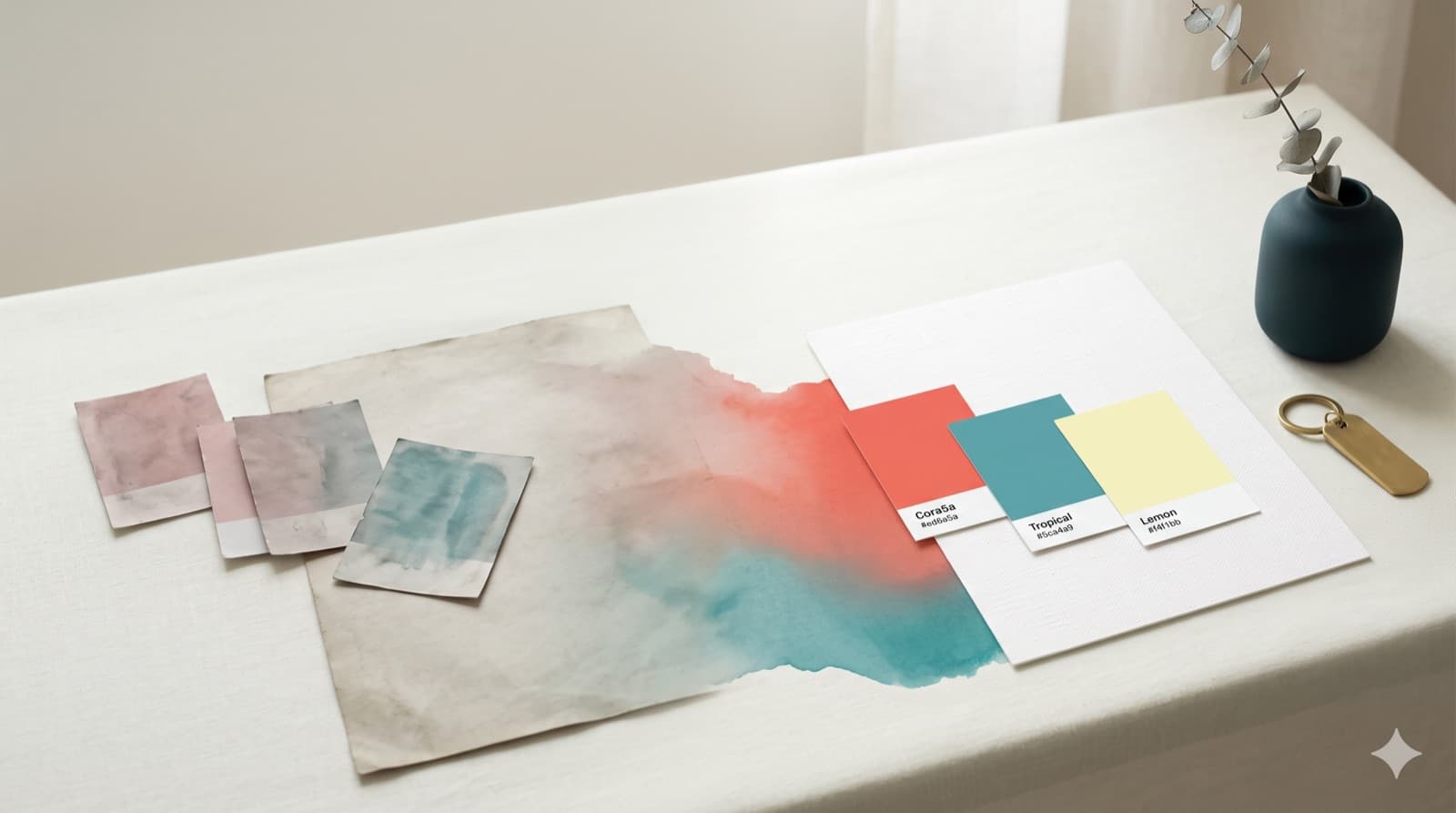
A hotel's brand ages whether you tend to it or not. Tastes shift, the property evolves, new competitors open down the road — and one day the identity that felt fresh at opening starts to feel tired. Rebranding is how a hotel catches up with itself.
But a rebrand is a strategic decision, not a cosmetic one. Done well, it repositions a property, attracts a better-fit guest, and supports higher rates. Done carelessly, it confuses loyal guests and throws away years of recognition. Knowing when and how much to change is the whole game.
Signs it's time to rebrand
A hotel usually doesn't need a rebrand because someone got bored of the logo. The real triggers are strategic:
- The look is visibly dated. Design has a shelf life. If the identity reads as "ten years ago," guests assume the experience is too.
- The property has changed. A renovation, a new restaurant, a repositioning from mid-market to boutique — the brand should reflect what the hotel has become.
- New ownership or a flag change. Mergers, acquisitions, and moves in or out of a chain almost always require brand work.
- You're attracting the wrong guest. If the brand signals "budget" but you're selling a premium experience (or vice versa), the visual identity is working against your rates.
- It doesn't photograph well. In a world where guests meet you on a screen first, a brand that falls apart on social media is actively costing bookings.
- Everything is inconsistent. Years of one-off menus, ads, and signage made by different hands, with no system holding them together.
If two or three of these are true, it's worth a serious conversation.
Rebrand vs refresh — an important distinction
Not every tired brand needs to be torn down. There are two very different levels of change, and choosing the right one saves money and protects equity:
A brand refresh modernises what already works. The core identity stays recognisable, but the typography is updated, the palette is refined, the logo is cleaned up, and a proper system is built around it. This is the right choice when the brand has equity worth keeping but simply looks dated.
A full rebrand rebuilds the identity from the strategy up — new positioning, new name in some cases, new logo, new visual world. This is for properties that have fundamentally changed, or whose old brand is actively holding them back.
Most hotels need a refresh, not a teardown. A good designer's first job is to tell you honestly which one you're looking at.
What a hotel rebrand involves
Whichever path, the work follows a similar arc:
- Strategy first. Who is this hotel for now? What does it stand for? What feeling should it create? Every design decision flows from these answers — the same principle behind any strong hotel brand.
- Visual identity. Logo, typography, colour, and a library of supporting elements — built as a flexible system, not a single static logo.
- Application across touchpoints. Website, signage, print collateral, social templates, in-room materials, email — the brand has to work everywhere a guest meets it.
- Guidelines. A clear set of rules so every future menu, post, and campaign stays coherent long after the rebrand is done.
How to rebrand without losing loyal guests
The biggest fear in any rebrand is alienating the people who already love the place. The answer is almost always evolution, not revolution:
- Keep recognisable threads. A signature colour, a familiar mark, or a tone of voice carried forward tells loyal guests "this is still us."
- Roll it out with intention. A confident, well-sequenced launch — rather than a brand that quietly changes overnight — turns the rebrand into a story guests can follow.
- Lead with the why. When guests understand the property has grown, change reads as progress, not loss.
A thoughtful rebrand doesn't erase a hotel's history — it carries the best of it forward into a sharper, more current expression.
The payoff
When it's done right, a rebrand pays for itself. A modern, coherent identity supports higher rates, earns more direct bookings, photographs beautifully, and gives the whole team a brand they're proud to stand behind. It's one of the highest-leverage investments an independent or boutique property can make.
The hardest part is usually just deciding to start — and getting honest advice on whether you need a refresh or a full rebuild.
Elina Imre is a senior graphic designer specialising in brand identity and rebrands for the travel and hospitality industry, working across Europe and beyond.
Looking for a designer for your hospitality brand?
Elina Imre is a senior graphic designer specialising in brand identity for hotels and resorts, available for part-time and freelance projects.
Get in touch